Nigeria possesses substantial arable land and favourable climatic conditions suitable for year-round agriculture, yet the nation paradoxically spends considerable resources importing agricultural products annually. The agricultural sector, despite being Nigeria's largest employer, cannot satisfy domestic demand for food and farm goods.
The disparity becomes striking when comparing Nigeria to France. France — with roughly half of Nigeria's arable farmland — generates around 40 billion dollars from agricultural exports, while Nigeria struggles to achieve comparable figures. The core issue stems from outdated farming methods.
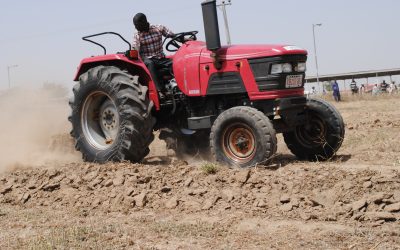
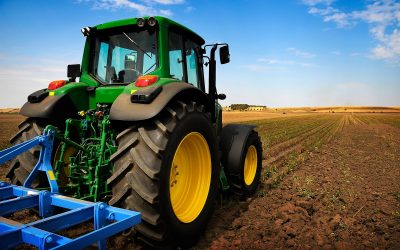
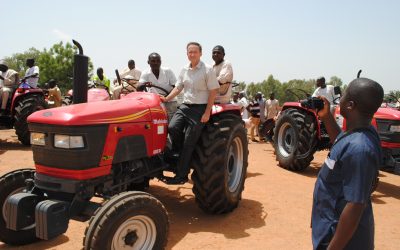
Many small and medium-scale farmers continue relying on manual labour and basic hand tools for commercial farming operations, severely limiting productivity. Nigeria currently possesses approximately 7,000 functional tractors, yet should have at least 70,000 given its farmland size. High tractor rental costs further discourage adoption.
Intensifying mechanised farming would generate multiple economic benefits: boosting foreign exchange reserves by reducing imports, strengthening diversification beyond crude oil, and reducing production costs to attract investment and create jobs. Developed nations — and African leaders like Kenya and South Africa — maintain smaller agricultural populations yet generate far larger agricultural revenues, demonstrating mechanisation's proven effectiveness.