Farming has evolved dramatically since ancient times. While early farmers relied on crude methods and beasts of burden, the real transformation came in the early 20th century with engine-powered farm tools that dramatically increased farm output.
Countries that embraced agricultural mechanisation now dominate global food markets, producing surplus crops for both domestic consumption and international export. Nigeria presents a contrasting picture: despite agriculture being the nation's largest employment sector, the industry cannot meet domestic demand.
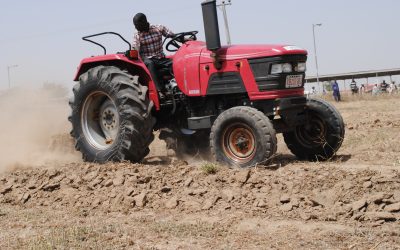
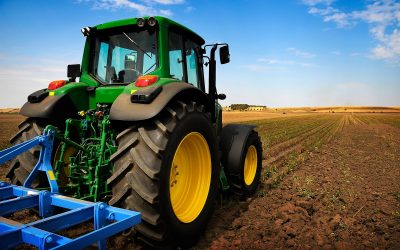
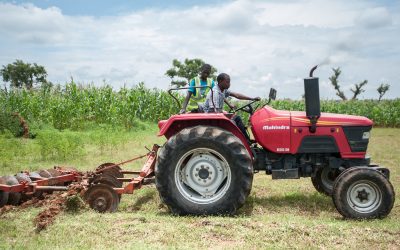
For commercial farming operations, relying on manual labour proves economically inefficient. Ploughing three hectares in a single day would require over forty labourers at minimum wage, yet completion remains uncertain. A tractor accomplishes the same work faster, more thoroughly, and at significantly lower cost.
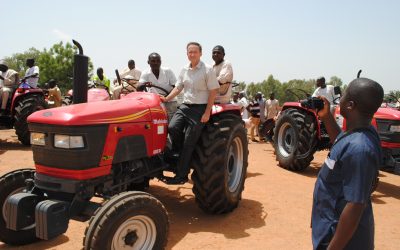
Financial constraints need not prevent adoption. Organisations like TOHFAN offer support including equipment rentals, purchase assistance, and expert consultancy — enabling farmers to boost productivity, reduce labour requirements and lower operational expenses across the entire farming cycle.