Prior to 1893, Nigerian farmers relied exclusively on simple hand tools for cultivation. These basic implements proved sufficient for households to achieve food security while generating surplus for barter and gifting.
The establishment of the Department of Botanical Research in 1893 marked a turning point. Agricultural practices evolved to emphasise cash crop production, supported by improved seeds and heavy machinery, triggering substantial productivity gains and export capacity.
Nigeria's agricultural prominence shifted dramatically following the commercial discovery of petroleum. Government support for mechanised farming declined, while rural-to-urban migration depleted the agricultural workforce — creating serious food security threats.
The federal government responded with investment-heavy initiatives: Operation Feed the Nation (1976), the River Basin and Rural Development Authorities (1976), and the Green Revolution Programme (1980). Despite initial promise, these programmes faltered due to implementation flaws and insufficient commitment.
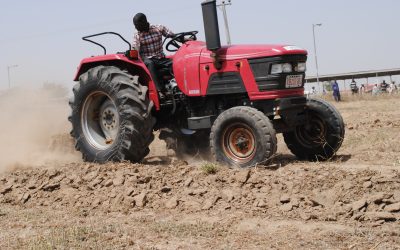
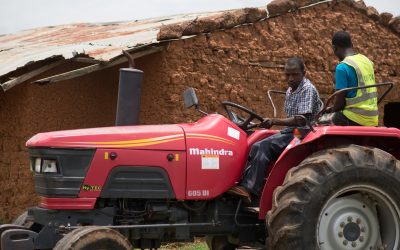
The fundamental challenge isn't land scarcity or labour shortage — agriculture remains Nigeria's largest employment sector. Rather, the absence of accessible, affordable farm machinery constrains production capacity, and the opportunity remains viable through appropriate machinery-utilisation strategies.